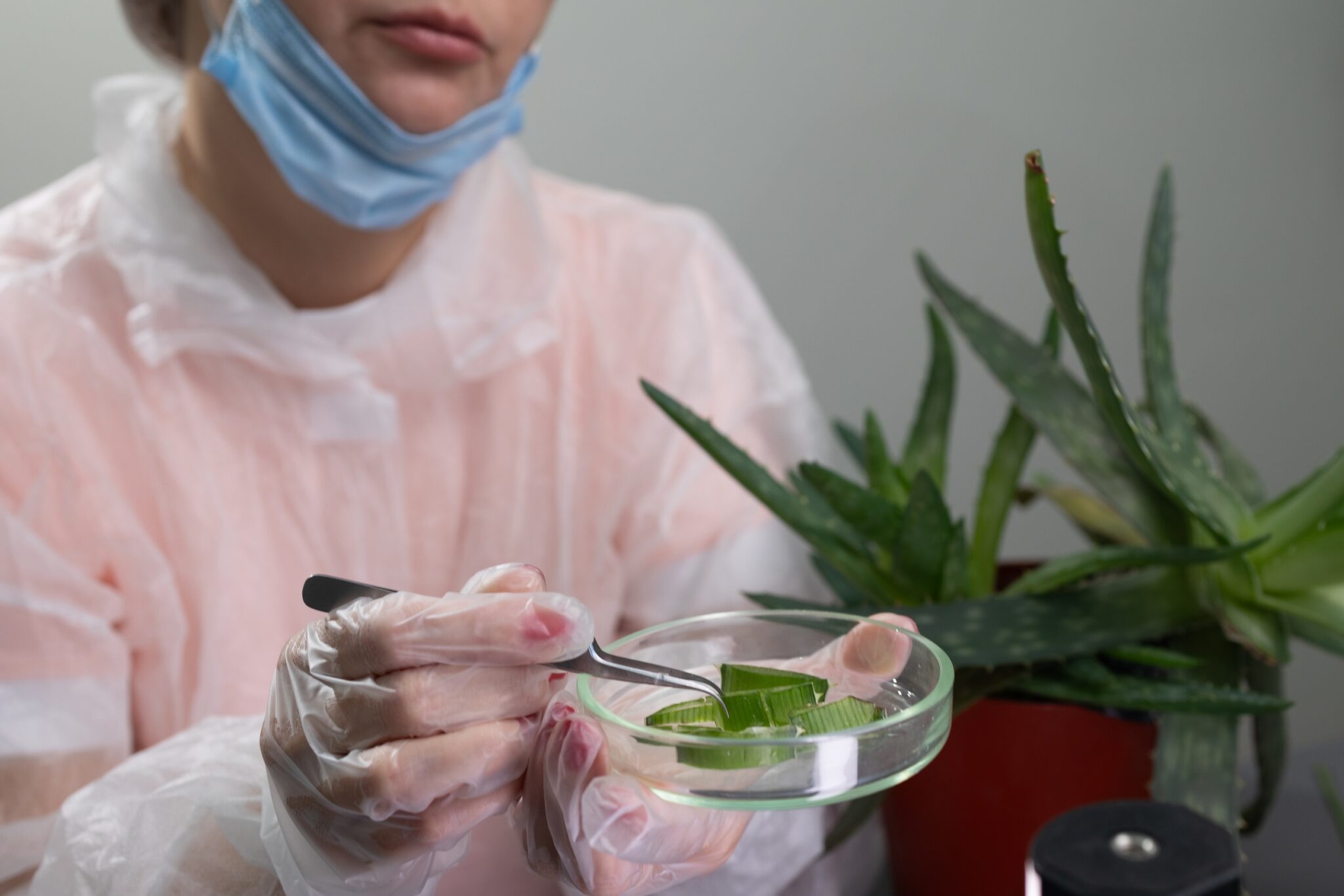
Environmental testing laboratories protect public health and the environment by analyzing water, soil, air, and waste samples to meet strict regulatory requirements. These labs manage high sample volumes, complex workflows, and field‑to‑lab traceability, all while producing defensible data for regulatory agencies, clients, and public stakeholders. Manual processes and disconnected systems increase the risk of errors, delays, and compliance gaps—making a modern LIMS essential for reliable environmental testing.
Why LIMS
for Environmental Labs?
An environmental LIMS centralizes samples, data, and reporting to ensure compliance, accuracy, and operational efficiency.
What Environmental LIMS Must Support
Complete and auditable chain of custody
.
End-to-end sample tracking from field to report
Workflows configurable by method, matrix, or client
Standardized state, federal, and municipal reporting
Electronic records and audit trails. TNI compliant.
Challenges in Environmental Laboratories
Managing high-volume routine testing and sample intake
Ensuring traceability from raw materials to finished products
Meeting strict food safety and regulatory requirements
Delivering fast and accurate results for production timelines
Reducing manual errors and maintaining data integrity
Key Benefits
Reliable regulatory compliance (TNI), audit ready data
Improved sample tracking and real time visibility
Reduced operational and legal risk
Configurable reporting that meets regulatory expectations
Secure, centralized, and traceable laboratory data
How XT - LIMS
Supports
Environmental Laboratories
Full traceability from field sampling to final reporting
Configurable workflows for diverse environmental methods and matrices
Automated data handling, calculations, and regulatory reporting
Custom reporting and deliverables - no reliance on canned templates
Instrument integration to eliminate manual transcription and reduce errors
Centralized, audit ready data for inspections and regulatory reviews
Scalable platform that supports growing sample volumes, new methods, and multi site operations